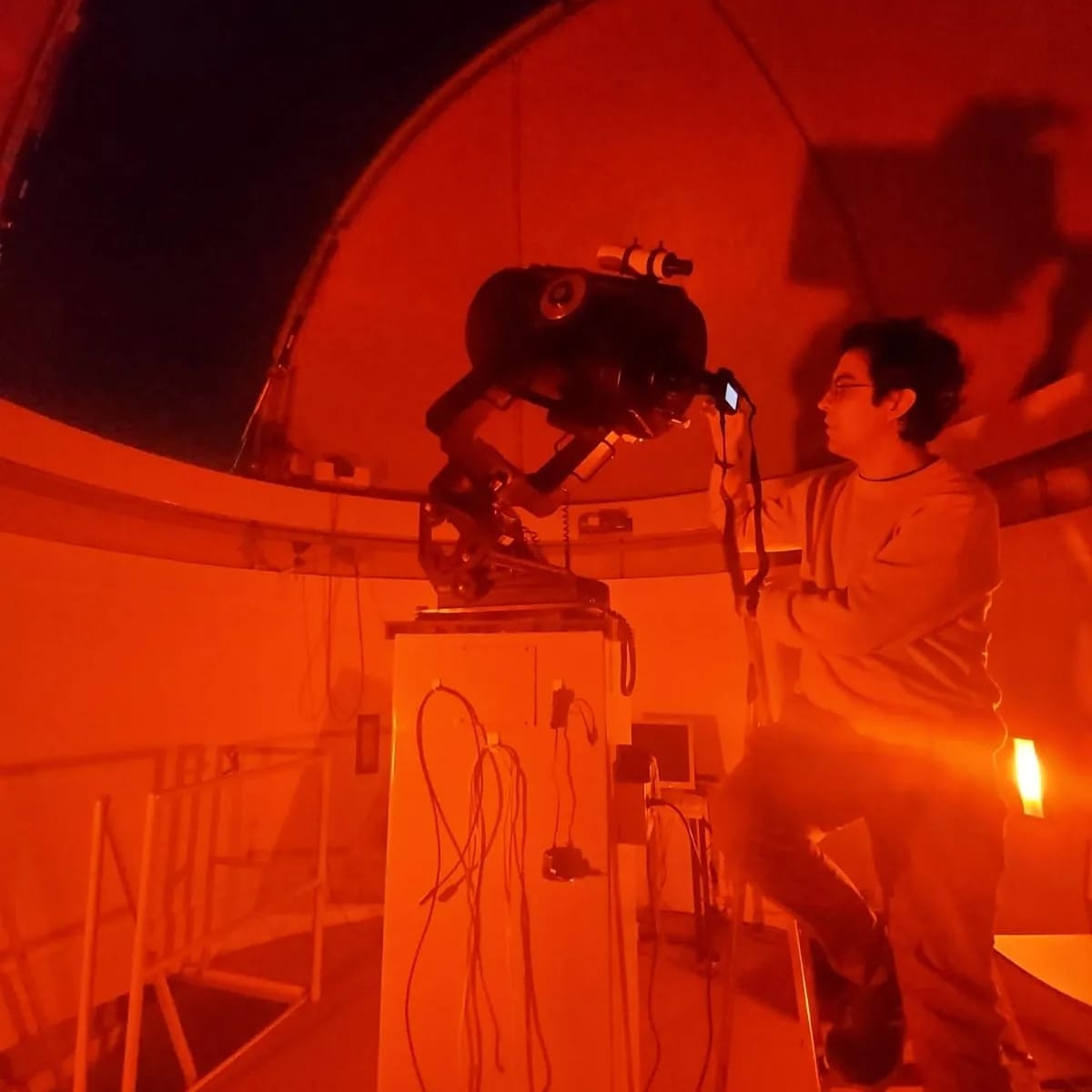
UCM Observatory
Over the past years, I had the opportunity to teach a course on Observational Astronomy for the Physics grad student. This included teaching them how to use and operate a telescope!
Over the past years, I had the opportunity to teach a course on Observational Astronomy for the Physics grad student. This included teaching them how to use and operate a telescope!
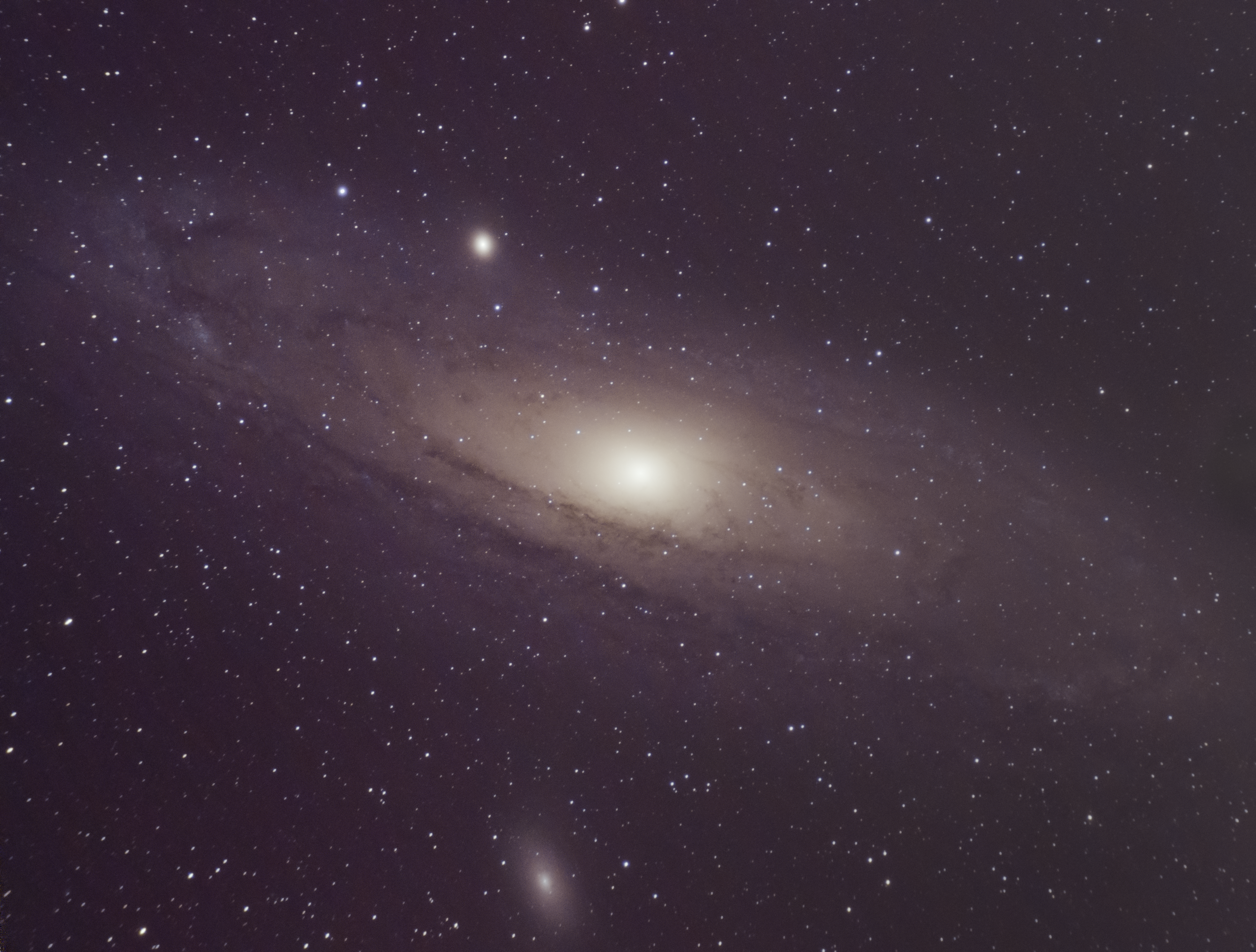
This is one of the first objects I spent multiple days observing. I took this picture in a heavily light-poluted area. Good technique and planning can help create images like this even in the harshest conditions.
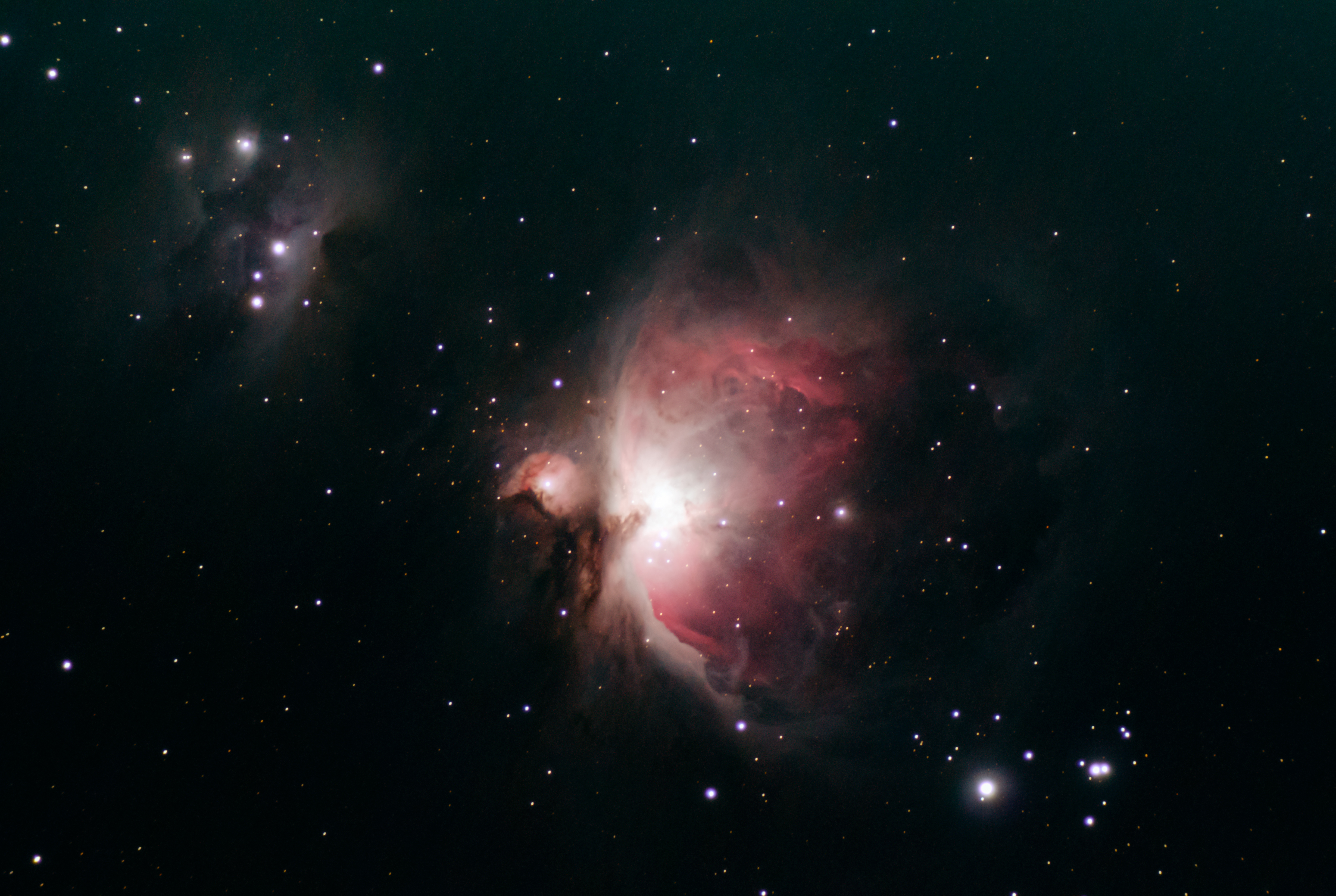
Sometimes you have to suffer for a great picture. In this case, I spent a full night in -10ºC snow and ice at the top of the mountain (severely underdressed... I learnt my lesson that night). The end result, however, is entirely worth it!
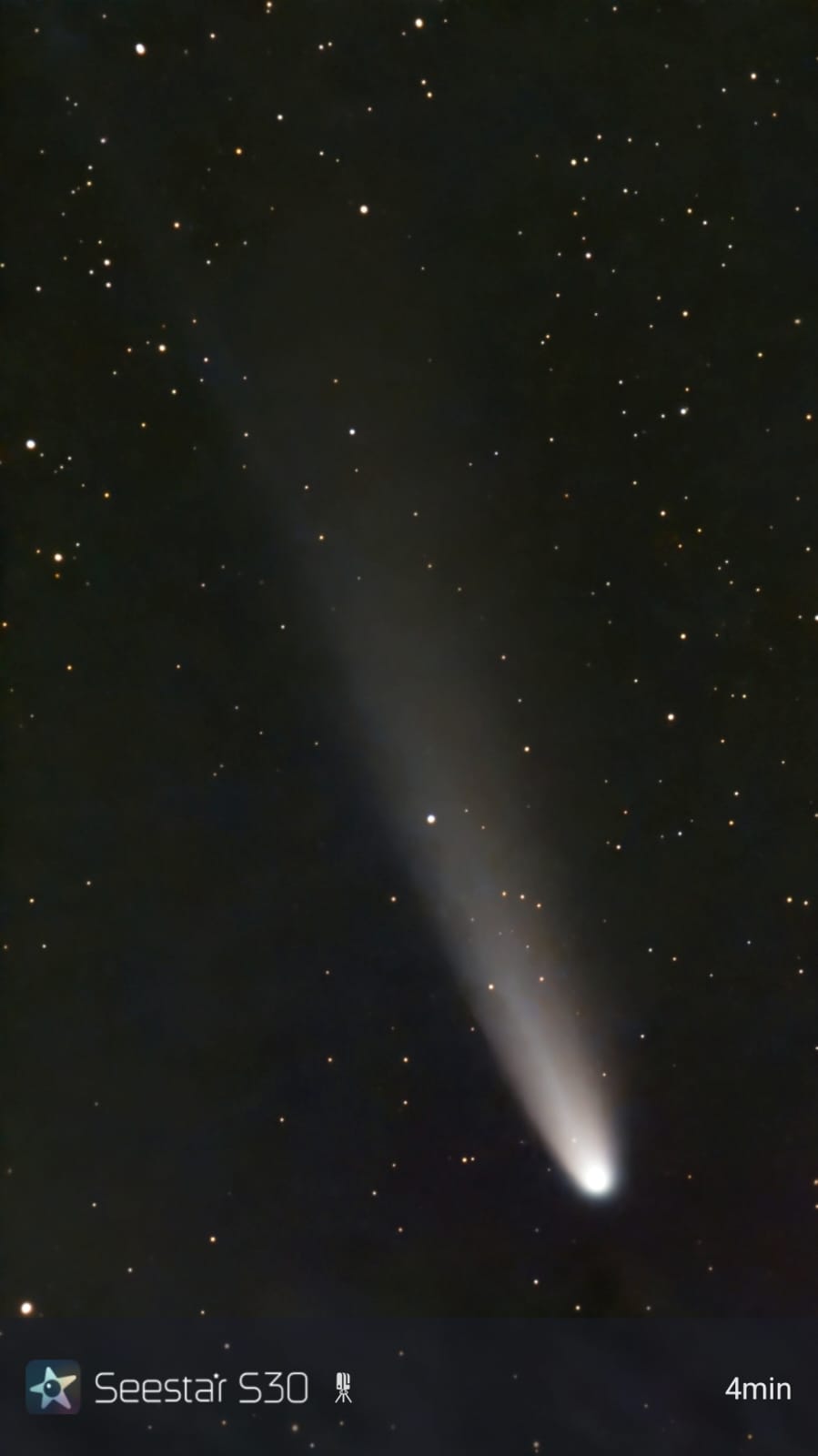
Some images are easier than others. The first comet I've ever seen was C/2025 R2 SWAN, where I drove out to the middle of nowwhere with the Seestar S30. It's truly incredible what such a small and cheap smart telescope is capable of all on its own.
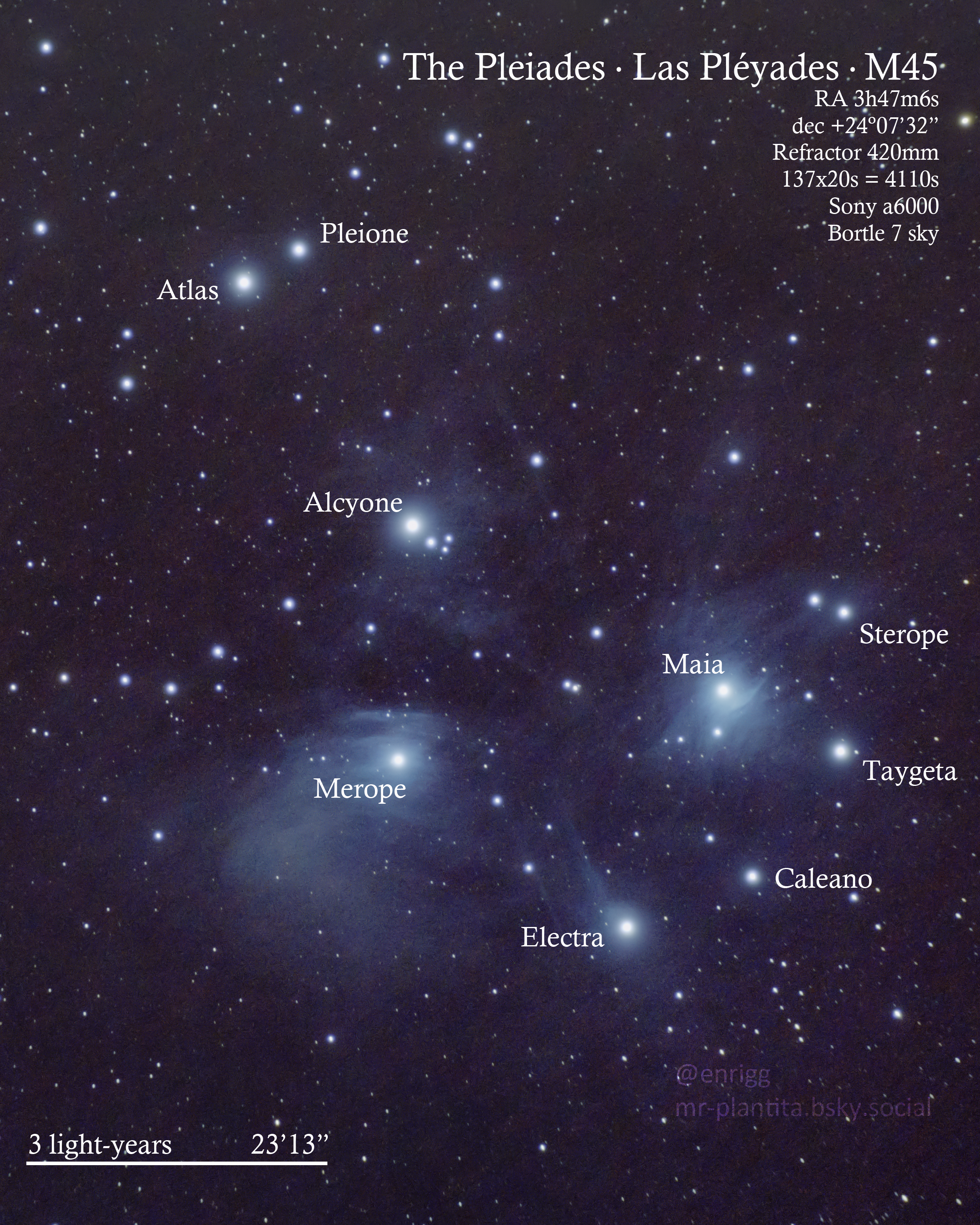
An amazing congregation of stars, visible with the naked eye! I took this image from a light polluted area without a narrow-band filter, but it's so bright that it is still possible to take pictures of it despite the pollution!
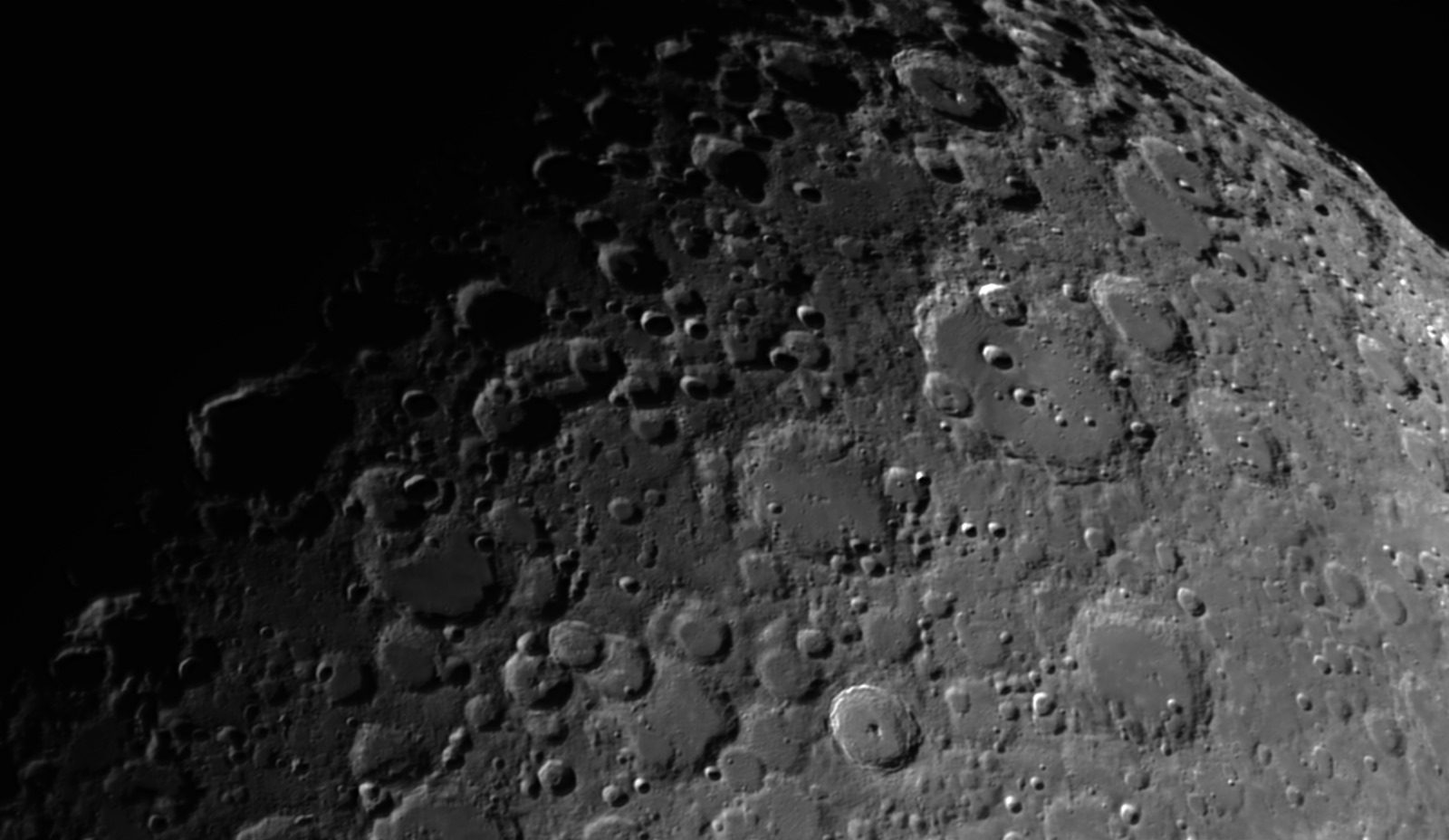
Last summer I got a new reflector telescope. This allows for a far longer focal distance that greatly increases the augmentations. Together with a small planetary camera, I was able to take an incredible image of the moon.
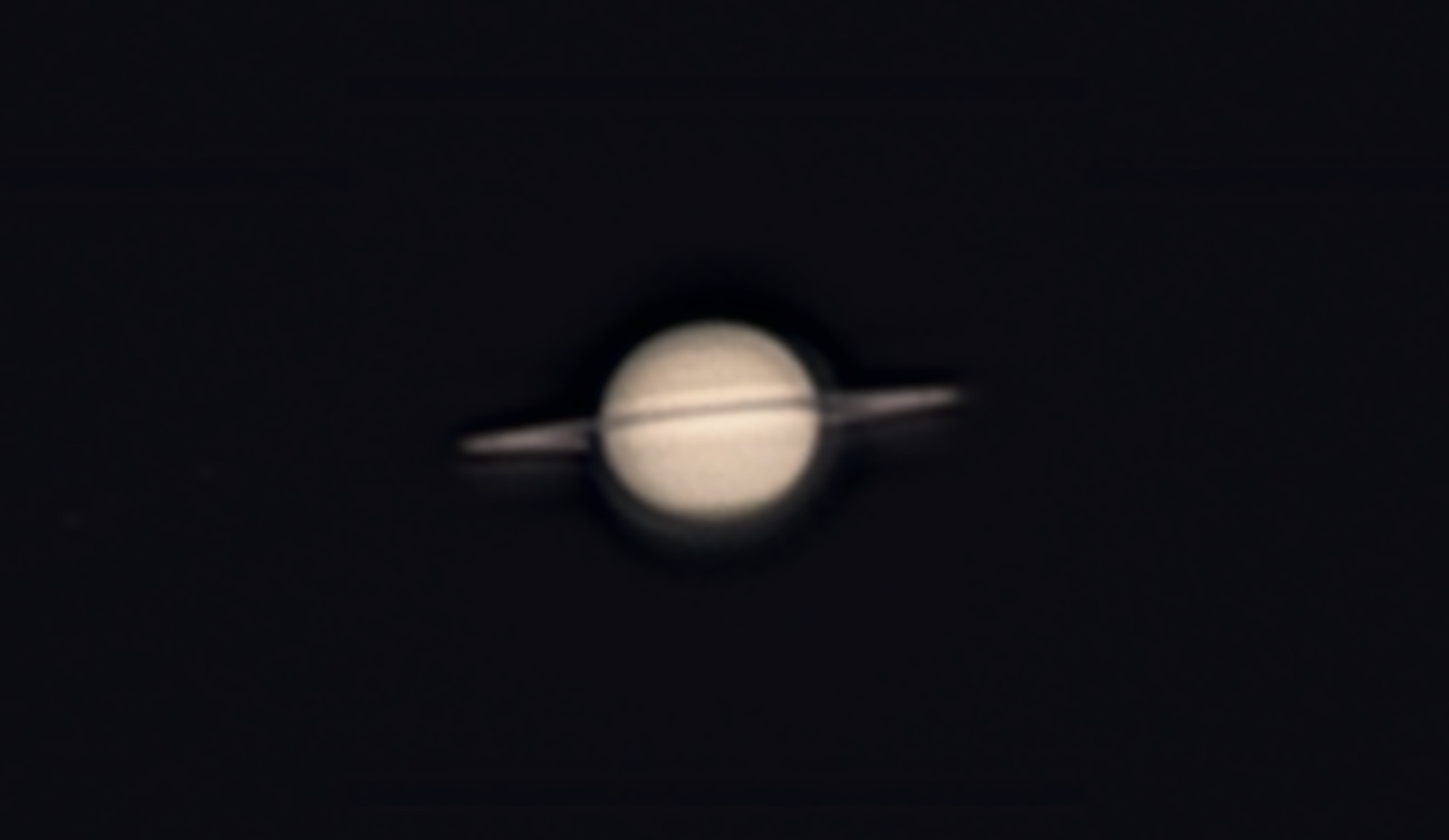
After observing the moon, I was able for the first time to create an image of Saturn. Truly incredible that we are able to see with a 300€ telescope planets that are millions of km away.
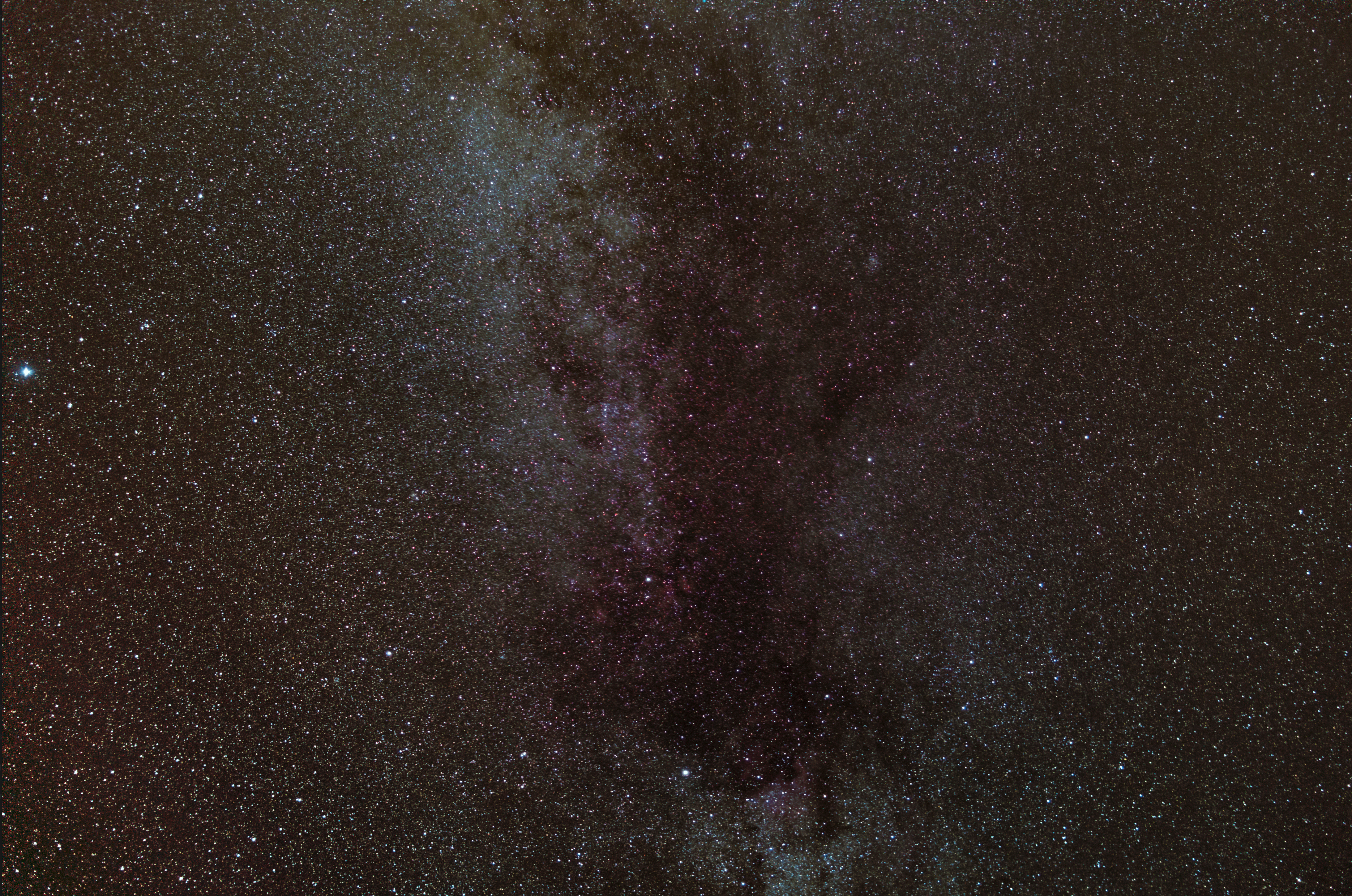
Before I bought my first telescope, I was able to take this amazing image of the milky way. You really only need a camera, a tripod, and a bit of patience. This was done without tracking on a 30mm lense.
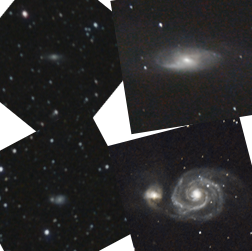
Knowing how to process images is as important as good quality equipment. Learning how to make the most of my camera has converted these small images of blobs into galaxies.
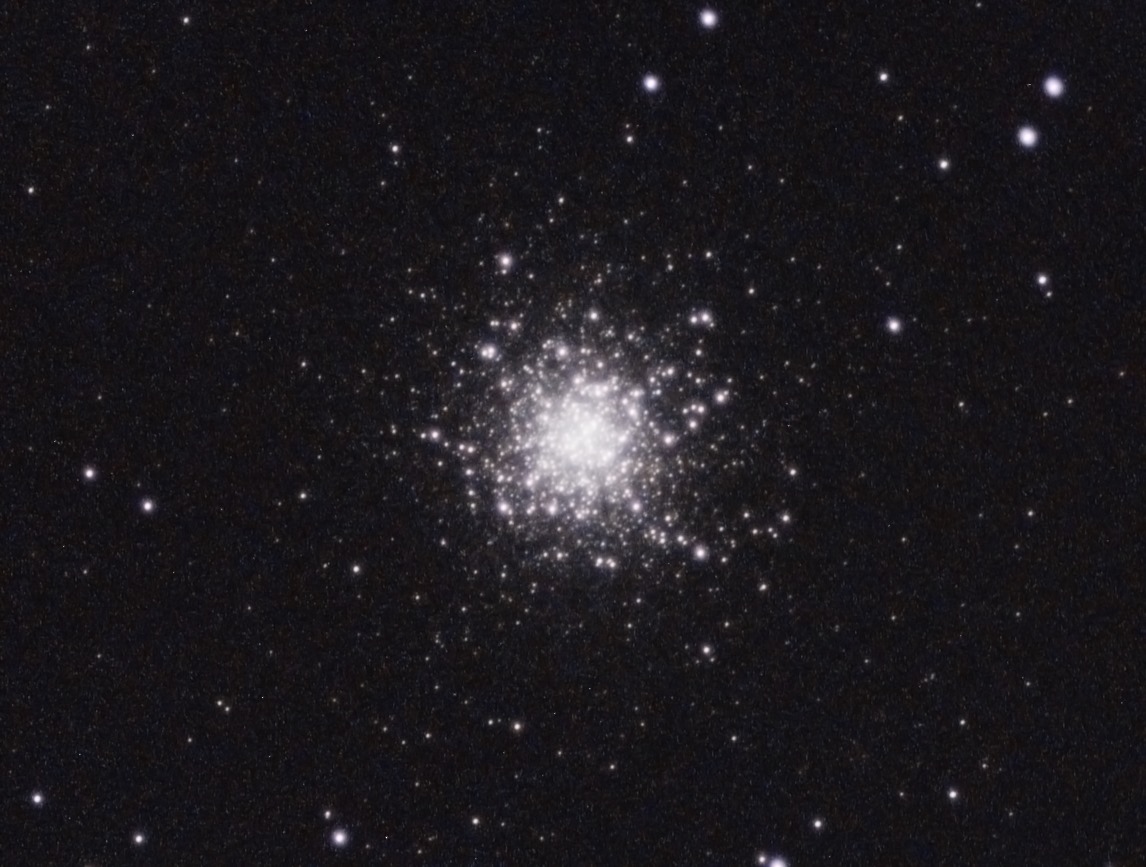
One of my main objectives is to create a poster with all Messier objects. At the moment I'm starting with the most interesting Deep Space Objects, but I aim to complete the whole collection.
My main objective is to have fun and show people how the world works. Startrails like these are very easy to take. If you haven't tried to do one, give it a try! Look for an interesting subject for your foreground, get a tripod, and just start taking photos!
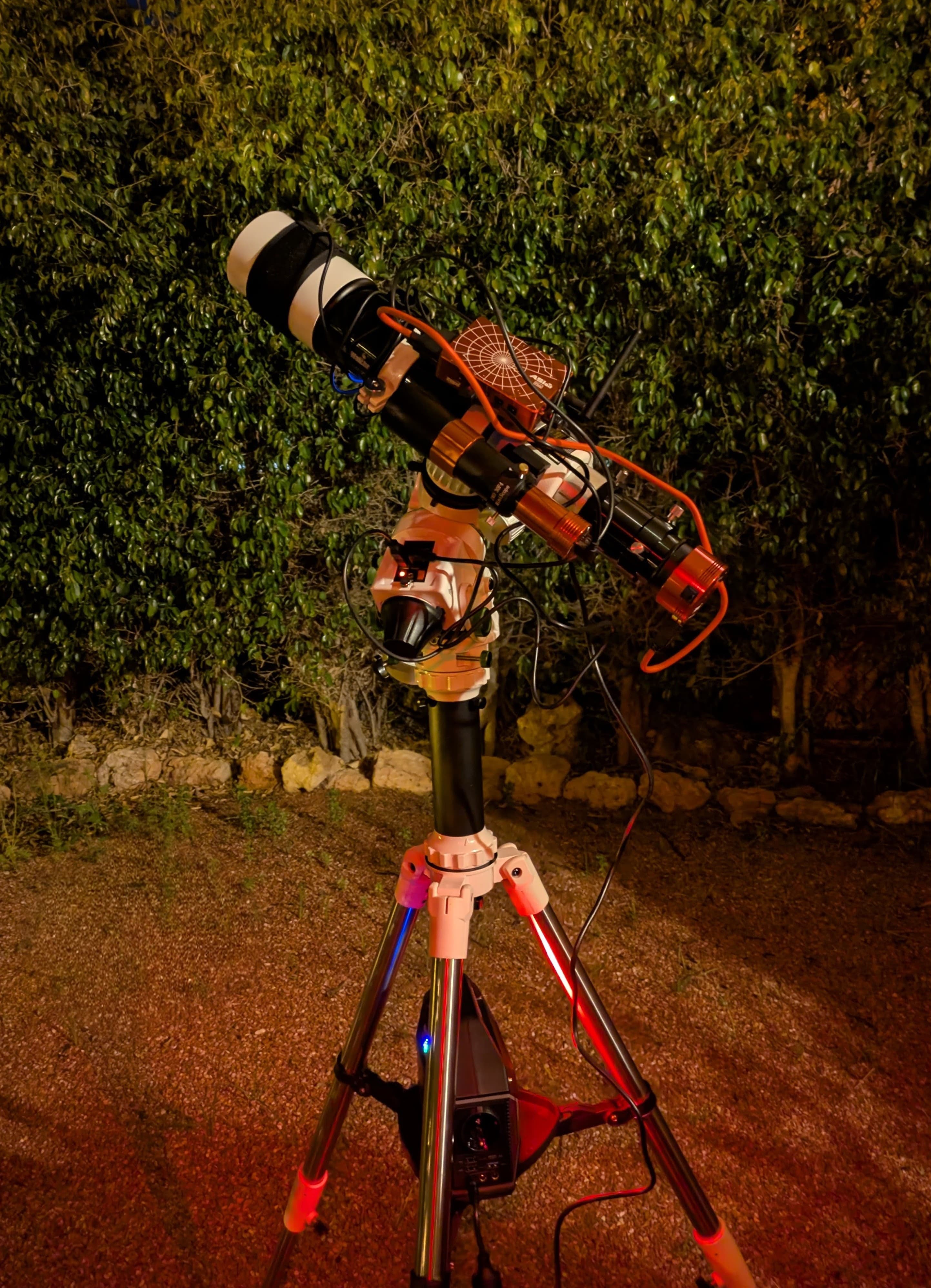
Slowly but surely I have built myselft small telescope. One of the great aspects of astrophotography is the modularity: I can upgrade each piece individually as needed.